
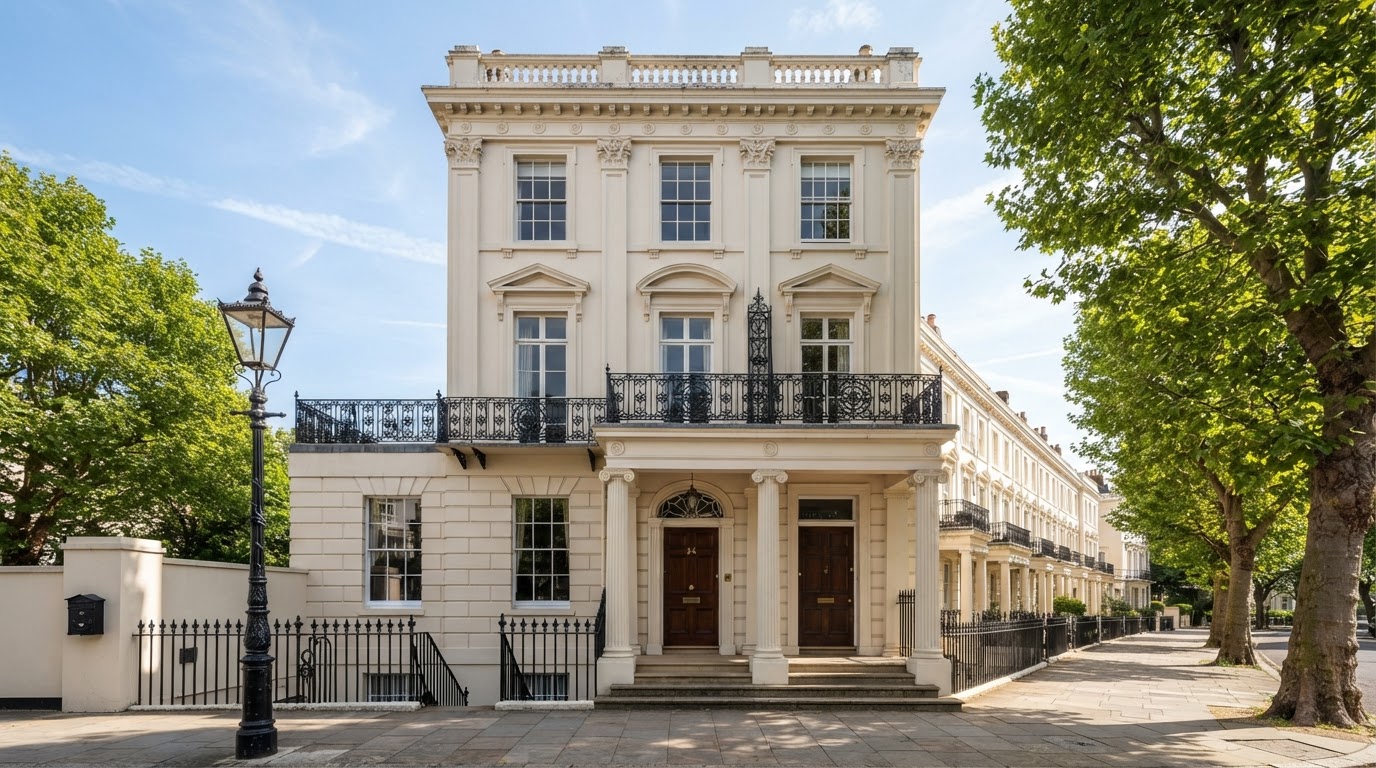

Understanding how a diminishing lease term shapes value, lending and your options as an owner.
A lease is a diminishing asset. From the moment it is granted, the years remaining begin to count down, and as that term shortens the implications for value, mortgageability and saleability grow steadily more significant.
Most lenders become cautious once a lease falls below 80 years, and many will not lend at all below 70. For owners thinking ahead, this threshold is the point at which a short lease starts to restrict the pool of willing buyers and available finance.
There is also a financial consideration. Once a lease drops below 80 years, the cost of extending it rises because marriage value becomes payable. Acting before this point can keep the process simpler and considerably less expensive.


A short lease doesn't only affect resale. It can also influence remortgaging, the ability to raise finance against the property and, in some cases, the day-to-day enjoyment of ownership where ground rent reviews are written into the terms.
The good news is that most leaseholders have a statutory right to extend. A formal lease extension adds 90 years and reduces ground rent to a peppercorn, restoring the property's appeal to lenders and purchasers alike.
If you're unsure where your lease currently sits, an independent valuation is the sensible first step. We can assess the remaining term, explain the likely cost of extension and help you plan with confidence.